
Let’s get cracking
Feed eggshells to the birds
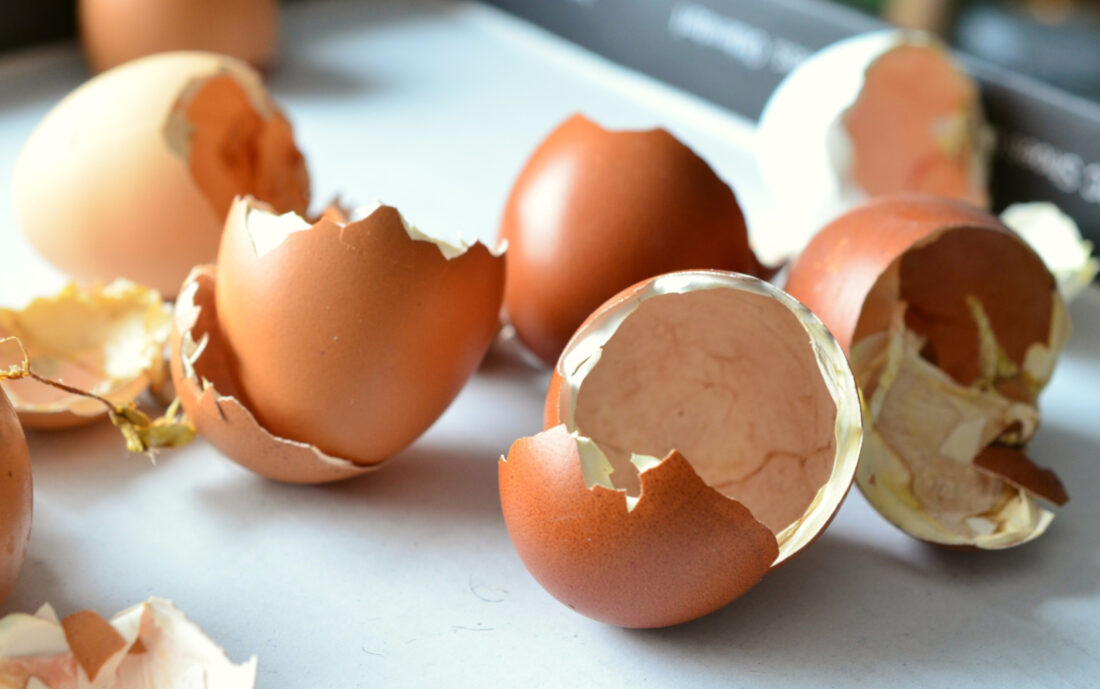
Submitted photo The chicken egg shells we normally toss in the trash can become an ideal source of calcium for female birds and for building strong bones in developing baby birds. However, the shells must be properly prepared.
Getting a peek at a newly-built bird’s nest with tiny eggs nestled inside is one of springtime’s great pleasures — watching the hatchlings mature is even more exciting.
But female birds use significant amounts of calcium during the breeding process, which entails laying several eggs at a time and sometimes producing two or more broods in a season.
For example, the Cornell Lab of Ornithology reports that the American robin lays one blue egg a day for three or four days in a row at the start of its breeding season and typically produces three successful broods in a year.
Birds have no way of supplementing their diets to replace depleted stores of calcium. That’s where the home bird-feeding hobbyist can make a difference.
The chicken egg shells we normally toss in the trash can become an ideal source of calcium for female birds and for building strong bones in developing baby birds. However, the shells must be properly prepared. Untreated, they may contain salmonella and other harmful bacteria.
Here’s how to prepare eggshells for feeding to backyard birds:
• Rinse egg residue from the shells immediately after use, leave the shells in large pieces and allow to dry.
• Spread them in a single layer on a baking sheet and bake at 250 degrees for about 10 minutes to destroy any harmful bacteria. Be careful not to overbake. The shells should be dry and brittle but not brown.
• Allow shells to cool completely, then place in a freezer bag and crush into small pieces, no bigger than a dime. Do not crush into a powder because it will be difficult for the birds to consume and more likely to blow away; large pieces will also be hard to eat and could lead to choking.
• Crushed eggshells can be set out in a platform feeding tray or scattered on the open ground. Place the feeding tray in a safe location, away from cats, hawks and other predators.
If the birds seem uninterested in the shells at first, try moving the tray closer to other birdfeeders or mix in a bit of birdseed to attract their attention.
Feed shells in moderation, however, because too much can lead to health problems. Properly cleaned, baked and crushed eggshells can be safely stored in an airtight container for several months.
Ohio is home to more than 200 bird species that breed in spring and summer, some starting as early as February while others may wait until June or July. Early nest-builders include birdwatching favorites such as robins, bluebirds and cardinals.
Besides helping to form strong protective eggshells and for bone development, calcium is useful for birds in muscle function and transmission of nerve impulses.
Lifestyles
Religion news
102 YEARS: The 102nd anniversary of New Bethel Baptist Church, 1507 Hillman St., Youngstown, where the Rev. Kenneth ...
Diocese receives national Catholic Media awards
The Catholic Diocese of Youngstown and The Catholic Echo Magazine earned 10 awards at the 2026 Catholic Media ...

The necessary components of an estate plan

When your new internet romance turns into fraud — or worse
Bridge by Steve Becker
1. You are sure to make the slam if the opposing clubs are divided 3-2, so all of your thoughts should be centered ...
TO YOUR GOOD HEALTH: Low iron levels can bring many symptoms
DEAR DR. ROACH: I’m a 62-year-old woman in fairly good health. I’m currently on Wellbutrin, carvedilol, ...