
TO YOUR GOOD HEALTH: Light therapy can help treat SAD
DEAR DR. ROACH: I am 78 and dislike the short gray days of winter. I know that light therapy is used for seasonal affective disorder (SAD), and I would like to try it. How do I know which light box or lamp is a good choice? (Does it block ultraviolet rays, provide the right amount of light, etc.?)
— K.J.
ANSWER: SAD is a subcategory of major depression that has a clear seasonal pattern over at least two consecutive years. It’s not just disliking the short gray days of winter. The diagnosis of major depression requires meeting several criteria such as a change in appetite or weight; sleep pattern changes; poor concentration; feelings of guilt; and fatigue or thoughts of hurting oneself, in addition to feeling either a depressed mood or a loss of pleasure and interest nearly every day for at least two weeks.
With a diagnosis of SAD, treatment may include medication therapy, bright light therapy or both. If you are prescribed bright light therapy, the usual recommendation is 10,000 lux of white light for 30-60 minutes. The morning, right after awakening, is the most effective time for light therapy.
I found several consumer recommendations online for devices that can provide this. You should insist on a device that is free from ultraviolet light. People with eye conditions such as cataracts, macular degeneration or glaucoma should be sure to see their eye doctor regularly.
DEAR DR. ROACH: I have osteopenia in my spine and hips per a DEXA scan, and in my forearms and wrist, I have osteoporosis. The pulmonologist put me on a long-acting inhaled treatment for asthma: 320 mcg of budesonide per day and formoterol (Breyna). When I read about these steroids, it cautions against using them with osteoporosis. Both the specialist and my internal medicine doctor said not to worry. What are your thoughts?
— A.W.
ANSWER: There are times when physicians must use a therapy while knowing that it is going to cause harm. This takes judgment and a fine weighing of the benefits of the planned treatment against its expected harms.
In your case, your doctors are on the right course. It is true that steroids like budesonide can sometimes worsen bone strength. However, the dose of inhaled steroids that you are taking is low enough; most studies at this dose have shown only a very small (or no) increase in fracture risk.
ToYourGoodHealth
@med.cornell.edu
Lifestyles
HINTS FROM HELOISE: Reader sounds off on travel
DEAR HELOISE: I asked you to remind readers of the environmental harms of tourism travel so that they might ...
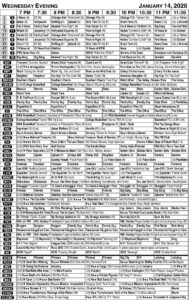
Wednesday evening TV listings
TO YOUR GOOD HEALTH: Light therapy can help treat SAD
DEAR DR. ROACH: I am 78 and dislike the short gray days of winter. I know that light therapy is used for seasonal ...
DEAR ANNIE: Never let a friendly bet cost you your dignity
DEAR ANNIE: One of my good female friends graduated from a rival college of mine. We love talking smack about who ...

Salsa seasons the taco meat
Observing Epiphany and celebrating Kylie’s 1st birthday
It is a nice sunny January morning with the temperature at 30 degrees. My husband, Joe, son, Benjamin, and ...