
Creating a pollinator garden
Trending
My decision to start a pollinator garden didn't come overnight.
I had heard a lot about the decline in bee populations and the importance of other pollinators like butterflies, moths and birds. I felt this was an opportunity to create a garden that would not only attract pollinators, but also add color to my backyard.
I started researching different plants that would attract pollinators and thrive in this area. I was interested in the native plants since they seem to be well suited for this area. I was aiming for diversity. I wanted a range of flowers that would appeal to the bees, butterflies, hummingbirds and other beneficial insects throughout the entire season.
Before planting my garden, I needed to be sure the soil was ready. I added organic compost and worked it thoroughly into the ground, then worked it in again to be sure it was well incorporated.
I also placed a few rocks, logs and brush piles around the garden to create hiding places and potential nesting areas for wildlife.
Once the soil was ready, it was time to plant. I arranged my plants in clusters, grouping them by color and height to create a visually appealing design. I placed the taller plants toward the back and the shorter in the front, ensuring that every plant would get adequate sunlight.
Watering was another key aspect of maintaining my garden. I made sure to water the plants, especially in the early stages. Once established, the garden became relatively low maintenance.
I also decided to avoid the use of any chemicals or pesticides. I didn't want to harm any pollinators. I opted for more natural methods of eliminating any unwanted pests.
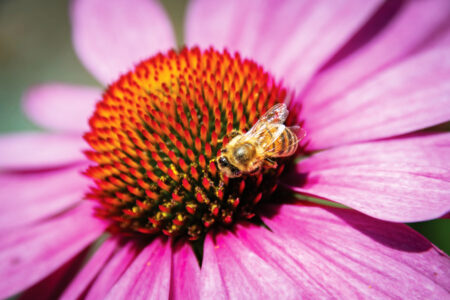
Within weeks of planting, I began to see some results. Bees were the first to visit, and it wasn't long before I started to see butterflies. I even caught a glimpse of a hummingbird. They love the Joe Pye Weed, coneflowers, bee balm and mountain mint. I also have ironweed, butterfly weed, St. John Wort and black-eyed Susans.
I plan to add new native plants to the garden each year. This year, I am adding false blue indigo, spiderwort and blue vervain. In addition, I added a birdbath and a stone walkway to the garden.
Creating a pollinator garden taught me patience and gave me a new appreciation for the delicate balance of nature. It wasn't always smooth sailing -- there were a few moments of doubt, especially in the early stages when the garden didn't look as vibrant as I had imagined.
If you are considering creating your own pollinator garden, I highly recommend it. Take the plunge. It's an incredibly rewarding experience.