
Lavender is more than a plant — it’s an experience
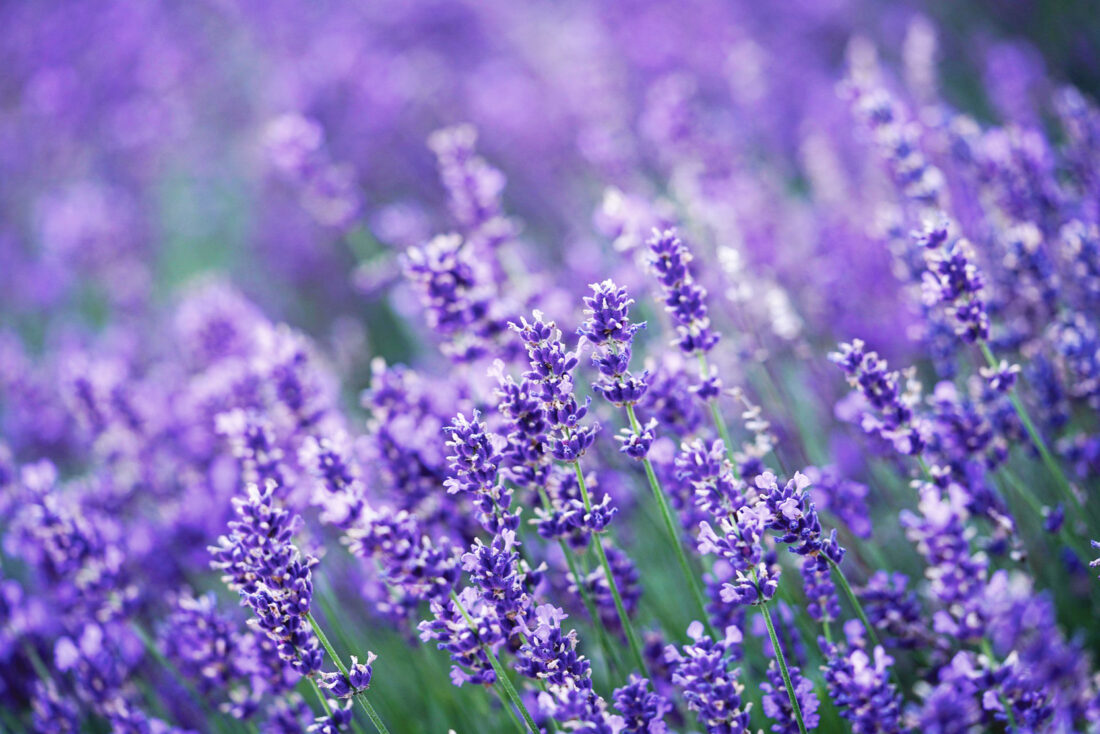
Submitted photo With its soft purple hues stretching across the garden, lavender has long held a place in human culture as a symbol of tranquility, healing and beauty.
Nothing is as soothing as the fragrance of lavender drifting upward in a quiet breeze. It makes me feel exhilarated, yet peaceful.
Lavender is more than just a plant; it is an experience. With its soft purple hues stretching across the garden, lavender has long held a place in human culture as a symbol of tranquility, healing and beauty.
For centuries, lavender has been noted for its soothing properties. The Romans and Egyptians used it in perfumes, oils and medicines. Today, its essential oil remains one of the most popular in aromatherapy.
Lavender is also an excellent pollinator plant for pollinator gardens. I started growing lavender several years ago and now have a full bed that contains a few different varieties. I have found some do better than others.
There are several types of lavender, but they are typically broken down into four categories:
• English lavender (Lavandula angustifolia) — Often considered the “true lavender” and most popular variety. It produces compact flowers in shades of blue, purple, pink and white. It is the coldest hardy of lavenders.
• French lavender (Lavandula dentata) — Recognized for its serrated leaves and lighter fragrance. It thrives best in warmer climates.
• Spanish lavender (Lavandula stoechas) — It has unique flower heads topped by petal-like “ears.” It blooms earlier and prefers hot, dry climates.
• Lavandin (Lavandula x intermedia) — This is a hybrid lavender. It is larger, more vigorous and produces long stems with abundant flowers. It blooms later in the season.
I tend to plant English lavender and some lavandin varieties. English types are the most reliable for overwintering in my climate, while lavandins can be more vigorous but slightly less cold hardy. I prefer to plant my new plants in the spring, although the Munstead variety planted in the fall has always done well. When planting lavender, well-drained soil is essential. It does not tolerate soggy roots.
Lavender loves sunlight. It requires at least six to eight hours of sunlight each day. Without it, the plant will become leggy and produce fewer flowers.
Lavender is drought resistant once established. However, young plants will need to be watered until established. Just be sure to let the soil dry out in between.
Pruning lavender is going to help you maintain shape and encourage new growth. Trim it after flowering, but avoid cutting into the woody base — this could damage the plant.
Lavender does not require fertilizing. In fact, too much fertilizer can reduce fragrance and flower production. A light application of compost in the spring is usually sufficient.
Lavender, with a beauty all its own — from its calming scent of tranquility to the bold colors it boasts — will remain a favorite in my garden.
Lifestyles
Some tips for bucket gardening
Growing your vegetable garden doesn’t always require having acreage to plow. Creating a planter from a 5-gallon ...
DEAR ANNIE: Retired husband is rewriting all house rules
DEAR ANNIE: My husband retired eight months ago, and ever since then, our home has felt less like a place to relax ...

Monday evening TV listings
Valley Grows calendar
Here are upcoming gardening events through the Ohio State University Extension Office. For more information and a ...
Bridge by Steve Becker
This deal occurred in the very first Bermuda Bowl world championship, way back in 1950, in the match between Great ...
TO YOUR GOOD HEALTH: How best to treat arthritis in knees
DEAR DR. ROACH: I have bad knee arthritis. My doctor is suggesting a genicular nerve block. Is this a good idea? ...