
910th takes off for Texas in Hurricane Harvey relief
Trending
VIENNA -- Members of the U.S. Air Force Reserve's 910th Airlift Wing left Friday on a mission to provide aerial mosquito spraying in parts of Texas following the devastation caused by Hurricane Harvey.
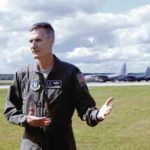
Col. Daniel Sarachene, commander of the 910th, said three C-130 Hercules aircraft departed and an additional one will be leaving today from the Youngstown Air Reserve Station to spray for mosquitoes and other insects for the next four to six weeks.
"The insects that come out after a disaster, not only can carry disease, they also are a nuisance to recovery efforts," he said.
Mosquitoes can spread diseases like malaria, West Nile Virus, Zika and various types of encephalitis. The pest insects can also hinder recovery workers, resulting in less time in the field.
The 910th is home to the only large area fixed-wing aerial spray unit in the U.S. Department of Defense. The unit has given help in the aftermath of past hurricanes, including 2008 after Hurricanes Katrina and Rita by treating more than 2.8 million acres over Louisiana and Texas to eliminate mosquitoes.
Major Steve Stroney, chief of aerial spray for the 910th, said what will be different with this mission is the use of new night-vision goggles and equipment. Spraying at night lets the airmen get more done in less time.
"Before this capability, we were limited to spraying prior to the first two hours of sunset. Now we can spray from sunset on as long as the mosquitoes are out," he said.
Mosquitoes are more active at night, so with night spraying, it's likely to kill more of the insects, Stroney said.
Sarachene said the system disperses droplets small enough to land on a mosquito's wing. One shot glass of insecticide is enough to cover an area the size of a football field.
"It's EPA approved and regulated and is not dangerous to humans," he said.
Crews will spray four to five million acres of land in Texas.
Sarachene and Stroney said they are not sure if they will be needed next to help in Florida, where Hurricane Irma is expected to hit this weekend, but this mission in Texas is likely the largest mission the 910th has taken part in, Sarachene said.
bcoupland@tribtoday.com