
Loss of bees may affect area crops
Trending
The future of a bumble bee species is something that man -- not nature -- can change, experts say.
The rusty patched bumble bee was included earlier this month as an endangered species, becoming the first wild bee in the continental United States to gain federal protection status. In September, seven varieties of a yellow-faced bee in Hawaii were listed as endangered.
Disappearing bees is a significant problem for farmers because bumble bees are essential pollinators of about a third of all U.S. crops, according to the Xerces Society for Invertebrate Conservation, which petitioned the government for protection of the insect.
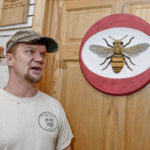
Rick Becker, a Trumbull County bee inspector who operates an apiary out of Heritage Farms in North Bloomfield, said the plight of the bumble bee goes hand in hand with that of the honey bee. Disappearing floral is hurting the insects' pollination habits, which in turn does harm to crops.
The rusty patched bumble bee, named for the reddish mark on its abdomen, once flourished across 28 states, primarily in the Great Lakes and Northeast regions. Now it can be found in less than half as many states.
Barbara Bloetscher, entomologist for the Ohio Department of Agriculture, say wildlife officials don't have a good handle of the numbers of rusty patched bumble bees, so the federal agency will be surveying the areas over the next few months to get a more accurate count.
The U.S. Fish and Wildlife Service attributed the bumble bee's decline to such factors as disease, pesticides, climate change and habitat loss.
"The severe fluctuations in temperatures that we have been having during one day recently haven't been good for both honey bees and bumble bees," Becker said.
The bumble bee has dropped nearly 90 percent in populations since the late 1990s, the federal agency said. The rusty patched species is just one of 47 bumble bee types native to the U.S. and Canada, with about a quarter of them endangered for extinction, the agency said.
Although bumble bees don't produce honey, they are affected by the same neonictoinoids, a certain class of pesticides, that harm their honey bee cousins, Becker said. He said the bumble bee's longer tongue can pollinate places the honey bee can't.
The Endangered Species Act prohibits significant modification or degradation of habitat that leads directly to death or injury of listed species. The Fish and Wildlife Service said it hadn't yet developed a strategy for dealing with private landowners regarding the rusty patched bumble bee, which it said already has disappeared from large-scale farming areas and is found mostly in yards and gardens.
Officials urges landowners and local organizations to use "bee-friendly practices," including native flowering plants for landscaping, planting more flowers and trees and avoiding use of pesticides that harm bees.
"People's love for the perfect green lawn is definitely a factor," Becker said, adding that pesticides widely used on crops, lawns, gardens and forests are absorbed into a plant's entire system, including leaf tissue, nectar and pollen. "More simply, a bee has nowhere to go if your lawn is free of dandelions."
Bloetscher urged local gardeners to plant more flowers, even herbs, to help with the pollination process.
"Every little bit helps," she said.
Beth Haddle, a Howland beekeeper, said she is part of an initiative called the Bee Buffer Project, which is trying to create a foraging habitat of pollen and nector sources, small plots of land to help with bee health.
"What's good for the honey bee, would ultimately be good for those bumble bees," Becker said.
The Pollinator Stewardship Council, a national lobbyist for the bee industry, emphasizes it does not want to ban pesticides for farmers, but urges good stewardship between beekeepers and farmers.
"The beekeeping industry contributes $20 to $30 billion to U.S. agriculture, as pollinators helped to create our nuts, fruits, vegetables and seed crops, but still bees contributors are deemed by the EPA as not essential," the video claims that the Environment Protection Agency is not protecting pollinators."
According to the Xerces Society for Invertebrate Conservation, which asked for the protective status, the bumble bees are essential pollinators of wildflowers and a third of all U.S. crops ranging from blueberries to tomatoes.
The Associated Press contributed to this story.
gvogrin@tribtoday.com